
We are a Kenyan incorporated Company that offers Engineering construction and Construction Project Management service in Kenya and across Africa.
The main objective of Tungsten Africa Contractors is to provide technical services to various industries and institutions covering infrastructure, power and telecommunications, mining, manufacturing, services setup, tourism and hospitality among others. The company was formed upon the realization that there was need for specialized services with respect to Roads, Building & Civil, Fit-outs, Mechanical and Electrical Engineering, Environmental health and safety in workplaces.
We are committed to Providing the best possible construction expertise services to ensure cost effective and successful projects.
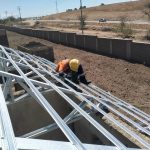
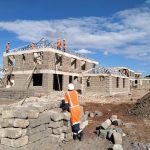
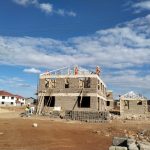
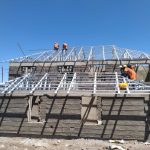
We have a team of professionals who have been involved over the years in the building and engineering industry, project management, baseline studies, assessment and implementation of environmental, health and safety management systems.
The company also offers skilled labor on short/long term basis depending on client’s request.
Our Project Process
Some projects are small renovations or repair jobs, like repainting or fixing leaks, e.t.c. However, more complex or ambitious projects usually require additional multi-disciplinary expertise and manpower, so the owner may commission one or more specialist businesses to undertake detailed planning, design, construction and handover of the work.
The complex project process involves:-
- Planning
- Finance
- Legal
- Procurement
- Design
- On-site construction
- Commissioning and handover
- Defects liability period
We shall take a quick tour of each process to help you understand how this may benefit you(the client) and us(the contractor).
Planning:- Construction normally cannot start until planning permission has been granted, and may require preparatory work to ensure relevant infrastructure has been upgraded before building work can commence. Preparatory works will also include surveys of existing utility lines to avoid damage-causing outages and other hazardous situations.
Finance:- Depending on the type of project, financial planning is important. It ensures adequate safeguards and contingency plans are in place before the project is started, and ensures that the plan is properly executed over the life of the project. Construction projects can suffer from preventable financial problems e.g underbids happen when builders ask for too little money to complete the project.
Legal:- At the start of a project, legal advisors seek to identify ambiguities and other potential sources of trouble in the contract structures, and to present options for preventing problems. During projects, they work to avoid and resolve conflicts that arise. In each case, the lawyer facilitates an exchange of obligations that matches the reality of the project.
Procurement:- Design-bid-build is the most common and well-established method of construction procurement. In this arrangement, the engineer acts for the client as project coordinator.
Design:- The increasing complexity of construction projects creates the need for design professionals trained in all phases of a project’s life-cycle and develop an appreciation of the asset as an advanced technological system requiring close integration of many sub-systems and their individual components, including sustainability e.g sketches and architectural drawings.On some projects, work on-site will not start until design work is largely complete; on others, some design work may be undertaken concurrently with the early stages of on-site activity.
On-site construction:- Once contractors and other relevant professionals have been appointed and designs are sufficiently advanced, work may commence on the project site.
Commissioning and handover:- Commissioning is the process of verifying that all subsystems of a new building (or other assets) work as intended to achieve the owner’s project requirements and as designed by the project’s architects and engineers.
Defects liability period:- A period during handover (or practical completion) during which the owner may identify any shortcomings in relation to the building specification (‘defects’), with a view to the contractor correcting the defect.
As a professional and qualified team, we work while ensuring each of the above processes is taken into consideration.